
Root Canal Recovery: What to Expect
You have just had a root canal — now what? Understanding what to expect after treatment helps ensure a smooth recovery and the best possible outcome for your tooth. At Advanced Endodontic Group, we provide every patient with detailed aftercare guidance before they leave our office.
What to Expect Immediately After Treatment
After your root canal, the local anesthesia will keep the area numb for two to four hours. During this time, avoid eating on the treated side to prevent accidentally biting your cheek, lip, or tongue.
Once the numbness wears off, it is normal to experience mild to moderate tenderness in the treated tooth and surrounding area. This is part of the natural healing process — your body is recovering from the removal of infected tissue and the treatment of the canal system.
For most patients, this sensitivity peaks within the first 24 to 48 hours and then gradually improves. Over-the-counter anti-inflammatory medication such as ibuprofen (Advil, Motrin) or acetaminophen (Tylenol) is typically all that is needed to manage discomfort. Your endodontist may provide specific medication recommendations based on your health history.
How Long Does Recovery Take?
Days 1–3: Mild to moderate tenderness is common. Take medication as directed. Eat soft foods and avoid chewing on the treated side.
Days 4–7: Sensitivity should be noticeably improving. Most patients return to eating normally during this period, though you should continue to avoid hard, crunchy, or very chewy foods on the treated tooth until your permanent restoration is placed.
Weeks 2–4: The tooth should feel largely back to normal. Schedule your follow-up appointment with your general dentist for a permanent restoration (usually a crown) during this window. Completing the restoration promptly is important — a tooth without a crown after a root canal is at increased risk of fracture.
If at any point during recovery you experience pain that worsens instead of improving, swelling that develops or increases after the first 48 hours, fever, or a feeling that your bite is "high" or uneven, contact our office immediately.
Caring for Your Tooth After Recovery
A root canal-treated tooth, once properly restored with a crown, should be cared for just like any other tooth. Brush twice daily, floss regularly, and attend routine dental check-ups. With proper care, your treated tooth can last a lifetime.
The single most important step you can take for long-term success is completing the permanent restoration promptly. A tooth that has had a root canal can become brittle without the structural protection of a crown. Delaying or skipping this step significantly increases the risk of fracture and the potential loss of the tooth.
If you experience any issues with a previously treated tooth — new pain, sensitivity, or swelling — contact our office or your general dentist. In some cases, retreatment may be necessary to address a new or persistent infection.
Frequently Asked Questions
-
Most patients feel significantly better within two to three days. Mild sensitivity may persist for up to a week. Full healing of the bone and tissue around the root tip can take several months, but you should feel comfortable and functional well before that.
-
Yes. Most patients return to normal activities the same day or the next day. You will have residual numbness for a few hours after the procedure, but once that wears off, you should be able to go about your day normally.
-
Stick to soft foods for the first day or two — yogurt, soup, scrambled eggs, pasta. Avoid hard, crunchy, or sticky foods on the treated side until your dentist places the permanent crown. Once the crown is in place, you can eat normally.
-
Contact our office if you experience pain that worsens instead of improving, significant swelling that develops or increases after 48 hours, fever, an allergic reaction to prescribed medication, or a feeling that your bite is uneven. These may indicate a complication that needs attention.
-
Very important. A tooth that has had a root canal is more prone to fracture without the structural support of a crown. We recommend scheduling your crown appointment with your general dentist within two to four weeks of the root canal to protect your investment.
Questions About Your Recovery?
Our endodontic specialists are here to help. Schedule your consultation at either of our South Florida locations.
Schedule Your Appointment
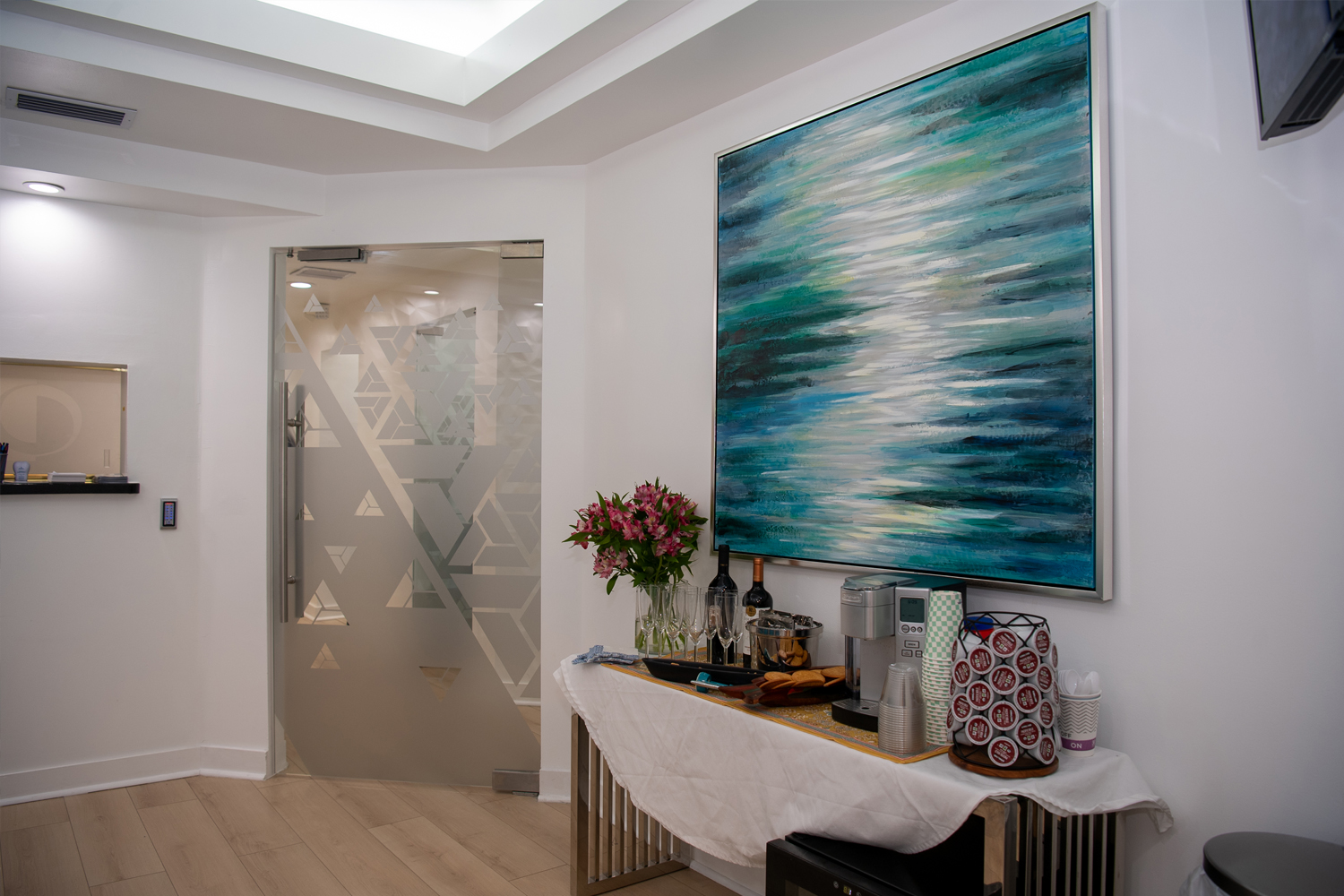
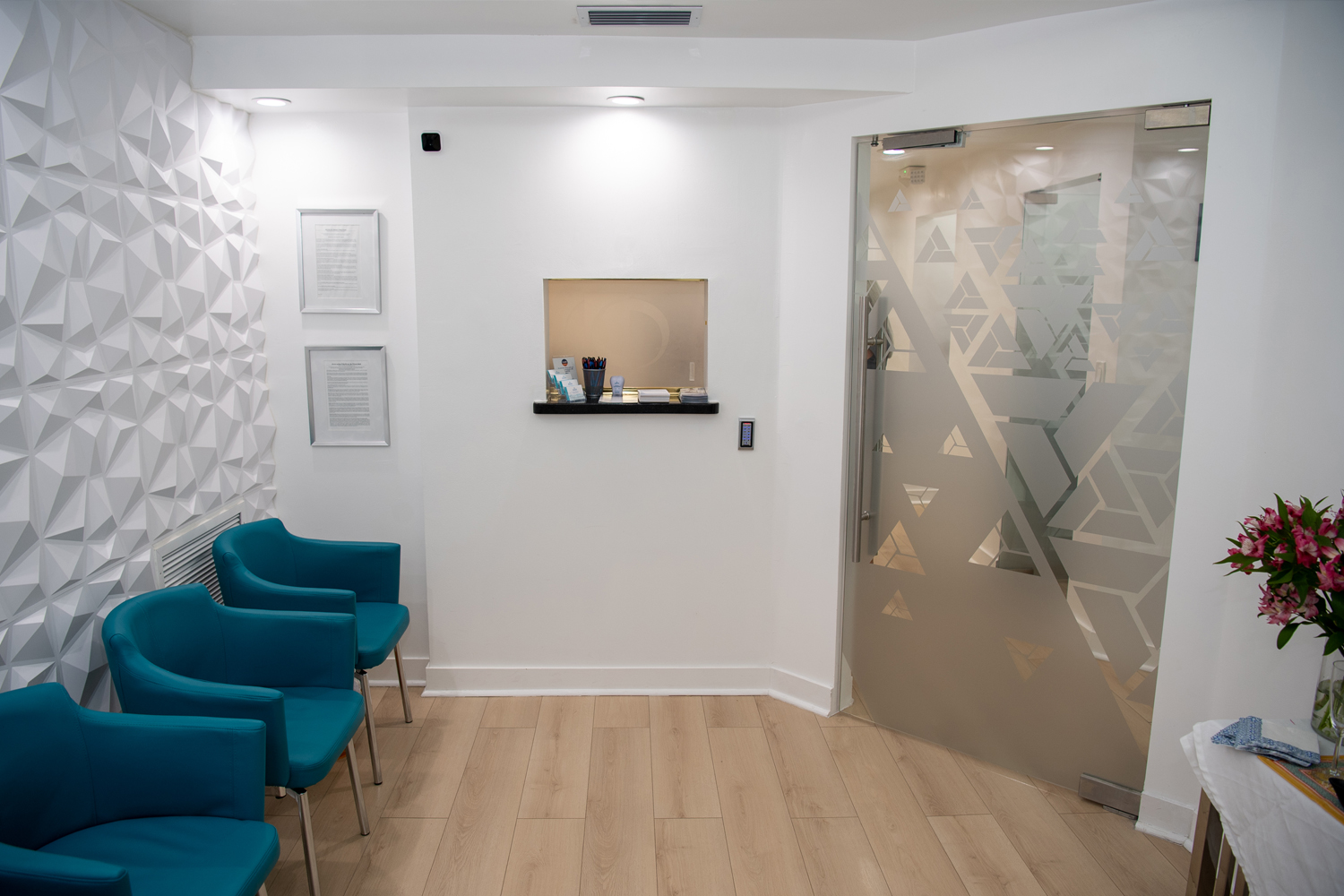
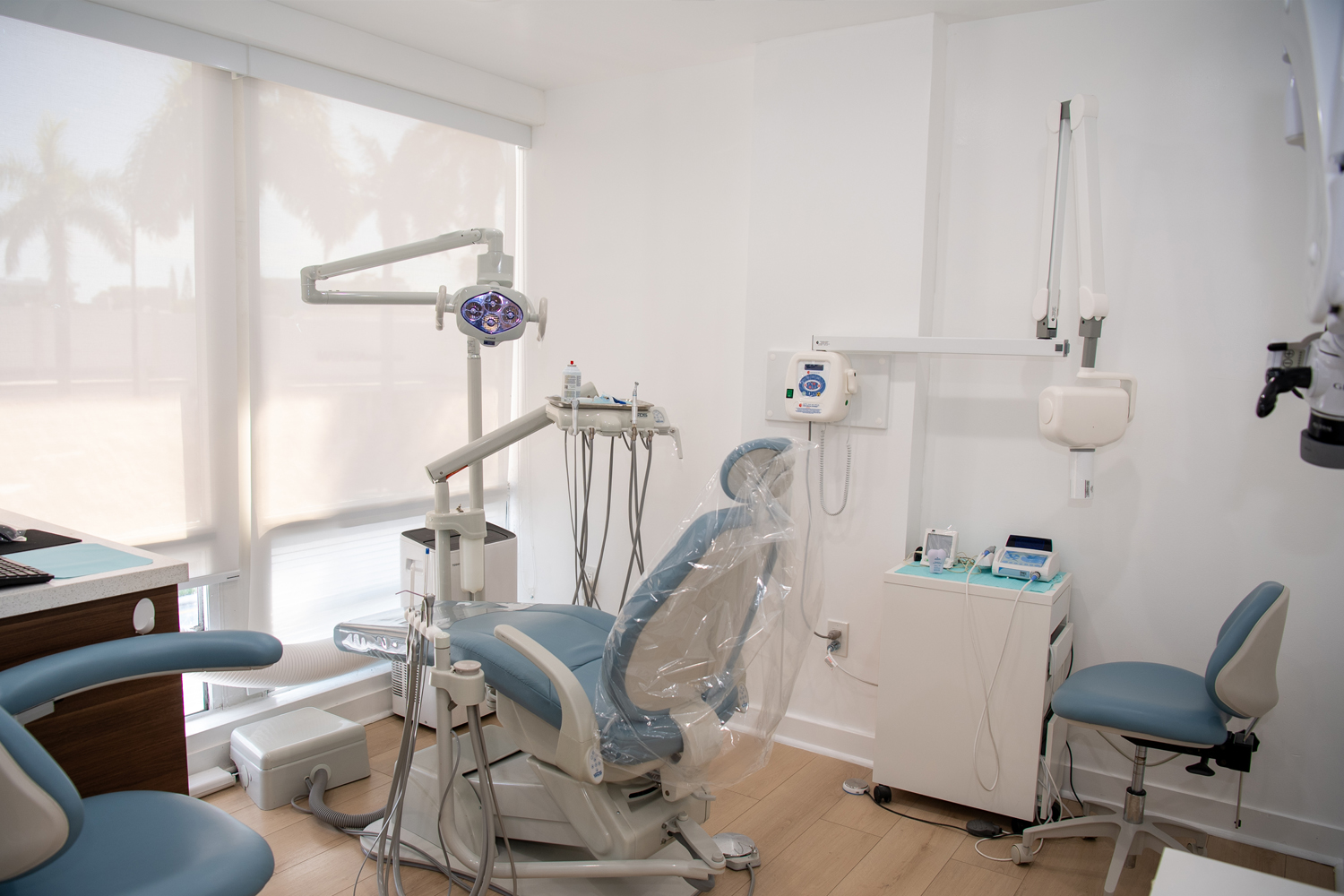
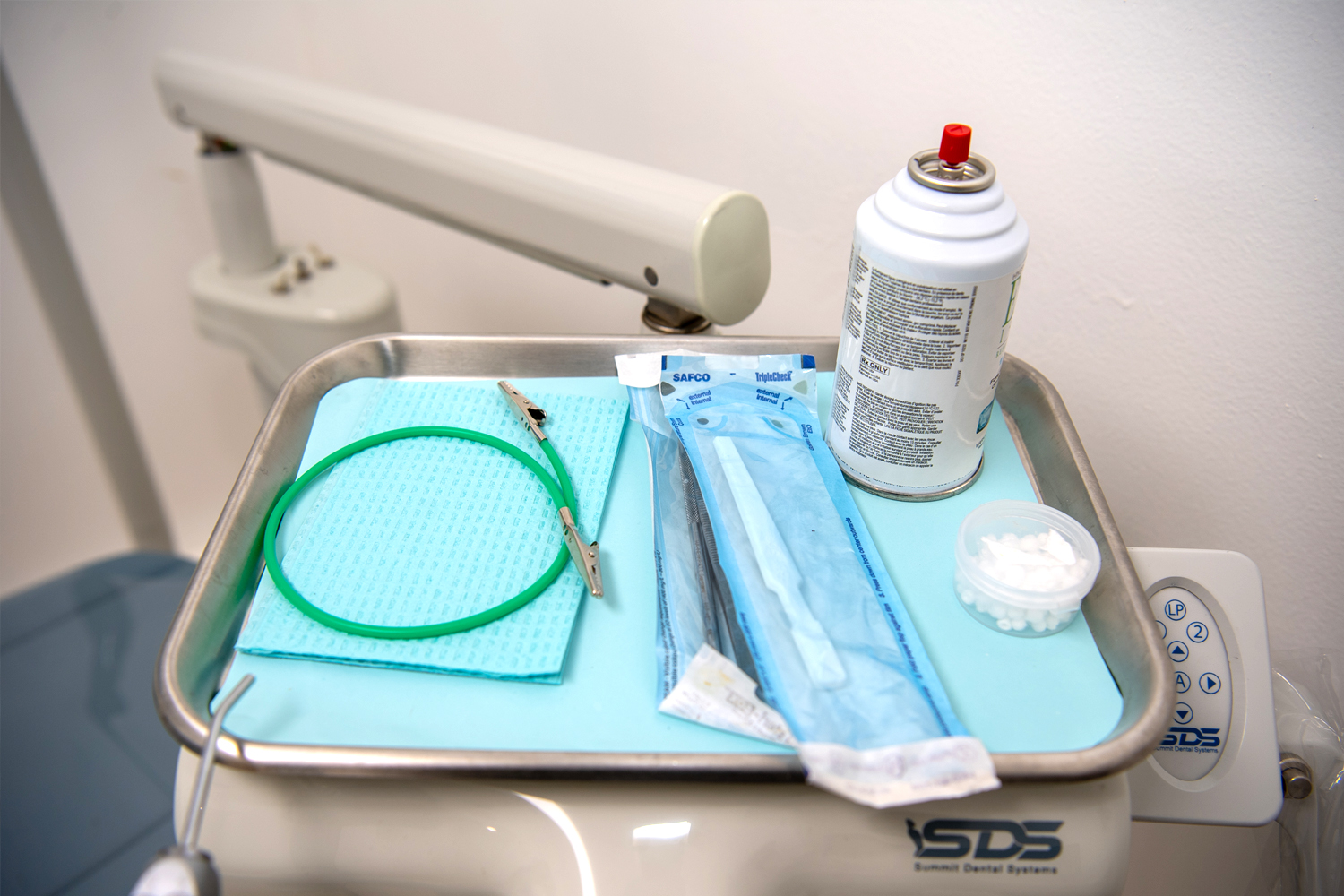

Your best option
We keep fluid communication with the dentists who refer their patients to us, making a team of joint assistance so that the patient is treated efficiently. After the endodontic treatment, the dentist is provided with a detailed report of all the procedures and their results so that they can continue with the dental restoration.
A canal treatment is the last resort before extracting a tooth to keep those teeth whose nerves have been affected. We are specialists in Endodontics, and we count with the best professionals and the latest technologies to assist you. So whether you are a patient or a dentist, Advanced Endodontic Group is the solution you are looking for..