


Traumatic
Injuries
Multiple types of traumatic injuries may cause the tooth to be hit, fractured, moved off its position, or even fall out. For these cases, it is essential to see an Endodontist as soon as possible to evaluate the tooth.
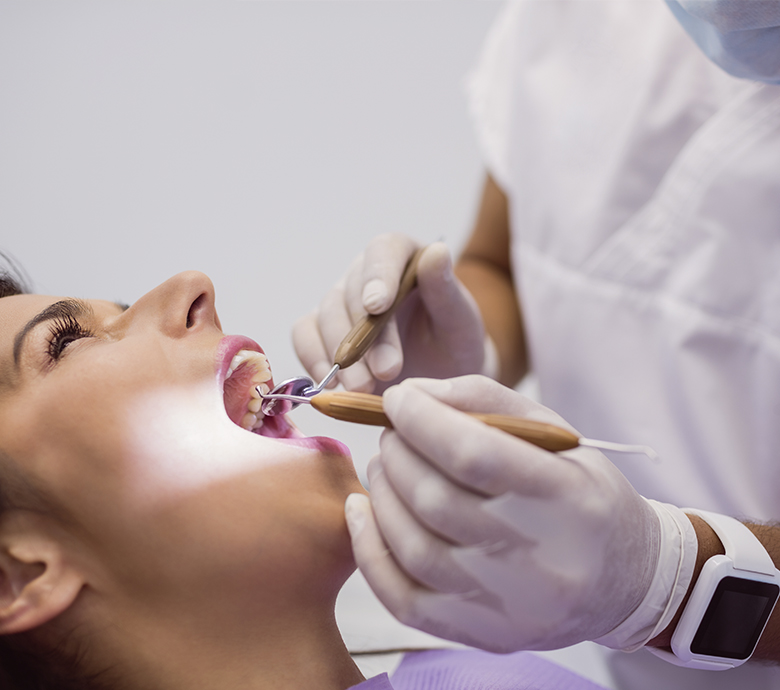
In cases of traumatism, many permanent teeth can be saved if action is taken calmly and quickly. However, the more you wait for evaluation or treatment, the higher the risk of complications during healing and the lower the chances of a successful result.
When there is a traumatic dental injury, the nerve may be affected too. In this case, the endodontist will thoroughly evaluate and diagnose whether a root canal treatmentWilll be necessary to save the tooth.
Traumatic Dental Injuries FAQs
What to do when a tooth is injured and when to seek emergency endodontic care
-
Traumatic dental injuries refer to damage to the teeth, gums, or surrounding oral structures caused by accidents, sports injuries, falls, or direct impacts to the mouth. This type of dental trauma can affect both children and adults and often requires prompt evaluation by a dental professional.
These injuries can range from minor issues, such as small chips or cracks in a tooth, to more serious conditions including fractured teeth, teeth that have been displaced from their normal position, or teeth that have been completely knocked out (avulsed).
Because dental trauma can affect the long-term health of a tooth, early diagnosis and treatment are important to preserve the natural tooth and prevent complications.
-
Prompt treatment after a dental injury greatly increases the chances of saving the affected tooth. When dental trauma occurs, the tissues that support the tooth can be damaged, and early evaluation allows the problem to be diagnosed and treated before complications develop.
Teeth that are displaced, fractured, or completely knocked out (avulsed) have significantly better outcomes when treated quickly. The longer a tooth remains out of the mouth or untreated, the higher the risk of infection, damage to surrounding tissues, and long-term complications.
Seeking immediate dental care after a traumatic dental injury can help preserve the natural tooth and improve the likelihood of successful healing.
-
A knocked-out tooth (also called an avulsed tooth) is a dental emergency that requires immediate attention. Acting quickly can significantly increase the chances of saving the tooth.
If your tooth is knocked out:
- Handle the tooth carefully by the crown (the visible part), not the root.
- Gently rinse the tooth with clean water if it is dirty, but do not scrub or remove any attached tissue.
- If possible, place the tooth back into the socket and hold it in position.
- If you cannot reinsert it, store the tooth in saliva, saline, milk, or even clear Pedialyte.
- Seek emergency dental care immediately.
The best outcomes occur when the tooth is treated and reimplanted as quickly as possible.
-
If a tooth is chipped or cracked, rinse your mouth with clean water and avoid chewing with that tooth. For a displaced or knocked-out permanent tooth, gently rinse it (without scrubbing) and try to reinsert it into its socket if possible. If you cannot, keep it moist in milk, saliva, or saline, and seek emergency care immediately.
-
Common types include:
- Chipped or fractured teeth — enamel or crown damage
- Dislodged (luxated) teeth — tooth moved but still in the socket
- Avulsed (knocked-out) teeth — completely out of the socket
- Root fractures — break in the tooth's root beneath the gumline
-
Yes — if a knocked-out permanent tooth is treated quickly (ideally within 30–60 minutes) and kept moist (in saliva, clear Pedialyte, Hank's Balanced Salt Solution, or milk) before replantation, there's a significantly greater chance of saving it. Time is critical: the sooner the tooth is treated, the better the long-term outcome.
-
Not always, but if the injury affects the pulp (the nerve inside the tooth), a root canal may be needed to remove infected or damaged tissue and preserve the tooth. This depends on the type and severity of the trauma.
-
Your endodontist may carefully reposition the tooth and stabilize it with a splint to allow healing. Root canal treatment may later be recommended if the tooth's nerve has been damaged.
-
Yes. Children's developing teeth have open root tips and more robust healing potential. In some cases, a pediatric approach may try to preserve the pulp and encourage normal root growth after trauma. Monitoring, follow-up, and special procedures may be used to support healing.
-
Seek immediate attention if you experience:
- Severe pain
- A tooth that feels loose or out of alignment
- Bleeding that won't stop
- A tooth that was knocked out
- Swelling or signs of infection
Prompt evaluation helps prevent long-term complications.
-
Endodontists specialize in diagnosing and treating injuries that affect the inside of the tooth, including damage to the pulp (the nerve and blood vessels inside the tooth). Traumatic dental injuries can involve fractures, tooth displacement, or injuries that compromise the pulp and surrounding tissues.
Because endodontists receive advanced training in dental trauma and use specialized technology such as microscopes and advanced imaging, they are uniquely equipped to evaluate these complex injuries and provide precise treatment.
Early evaluation by an endodontist can significantly improve the chances of saving a compromised tooth and preventing long-term complications.
-
Your endodontist will perform a thorough clinical evaluation, often including imaging (X-rays or 3D scans), to assess the extent of damage to the tooth, root, and surrounding bone. Based on findings, they'll recommend the best treatment plan.
-
If not treated promptly, dental trauma can lead to pulp death, infection, discoloration of the tooth, root resorption (breakdown of tooth structure), or even tooth loss. Timely care and follow-up appointments help improve long-term outcomes.
Experienced a dental injury? Time matters.
Contact us immediately for emergency evaluation.