
Root Canal vs. Tooth Extraction
If you have been told you need a root canal or extraction, understanding the differences between these two options is essential for making the right decision for your oral health. In the vast majority of cases, saving your natural tooth with a root canal is the better long-term choice.
Why Saving Your Natural Tooth Matters
Your natural teeth are designed to last a lifetime. No implant, bridge, or denture can fully replicate the function, feel, and biological integration of a natural tooth. When a tooth is saved with a root canal, it continues to serve its original purpose — chewing, maintaining bite alignment, supporting jawbone density, and preserving your natural smile.
A root canal removes the infection from inside the tooth while leaving the tooth structure intact. Once the infection is eliminated, the surrounding bone that was affected can begin to heal and regenerate naturally. With a proper restoration (usually a crown), a root canal-treated tooth can function normally for decades.
What Happens After an Extraction
When a tooth is extracted, the immediate problem — pain or infection — is resolved. But extraction creates a new set of challenges that must be addressed. The empty space left behind can cause neighboring teeth to shift and tilt over time, changing your bite alignment. The jawbone in that area begins to deteriorate without the stimulation of a tooth root. And you will need a replacement tooth — typically an implant, bridge, or partial denture — to restore function and appearance.
Tooth replacement involves additional procedures, additional appointments, additional recovery time, and additional cost. A dental implant alone involves surgery, a healing period of several months, and a custom crown. The total investment for extraction plus implant is almost always significantly higher than a root canal plus crown.
When Is Extraction the Right Choice?
While saving the natural tooth is almost always preferred, there are situations where extraction is the most appropriate option. These include teeth with severe vertical root fractures that extend below the gumline, teeth with insufficient remaining tooth structure to support a restoration, teeth with significant bone loss that compromises long-term viability, and cases where the patient's overall health or treatment goals make extraction the better choice.
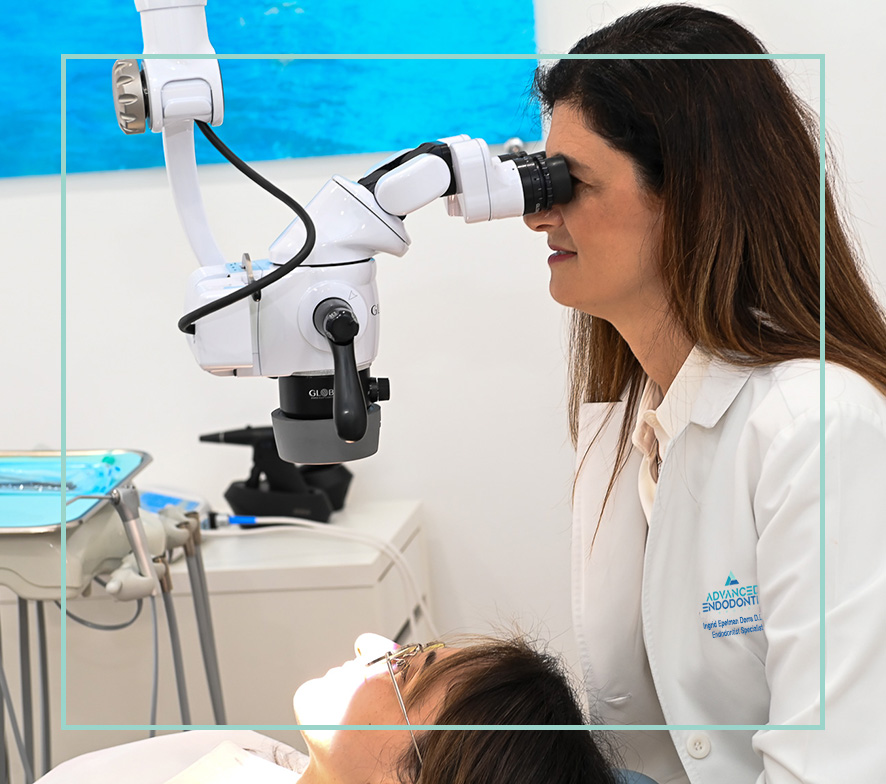
At Advanced Endodontic Group, our endodontists will thoroughly evaluate your tooth using 3D imaging and microscope examination before recommending treatment. If a tooth truly cannot be saved, we will tell you honestly and discuss your options. Our goal is never to perform a procedure that is not in your best interest. Read about a real example of this approach in our patient testimonials.
Frequently Asked Questions
-
In most cases, yes. A root canal preserves your natural tooth, maintains bite alignment, prevents bone loss, and avoids the need for costly replacement procedures. Extraction should be considered a last resort when the tooth cannot be saved.
-
A root canal plus crown is typically less expensive than extraction plus a dental implant when all procedures are factored in. While a simple extraction may cost less upfront, the total cost of replacing the tooth usually exceeds the cost of saving it. See our cost comparison.
-
With proper restoration and good oral hygiene, a root canal-treated tooth can last a lifetime. Success rates for root canal treatment performed by an endodontist are very high.
-
If a root canal does not heal as expected, retreatment or endodontic surgery may be able to save the tooth. Extraction is only recommended if all other options have been exhausted.
-
In some cases, an implant can be placed immediately after extraction. However, many cases require a healing period of several months before the implant can be placed, followed by additional months for the implant to integrate with the jawbone before the final crown is placed.
Get an Honest Evaluation
Our endodontic specialists are here to help. Schedule your consultation at either of our South Florida locations.
Schedule Your Appointment


Your best option
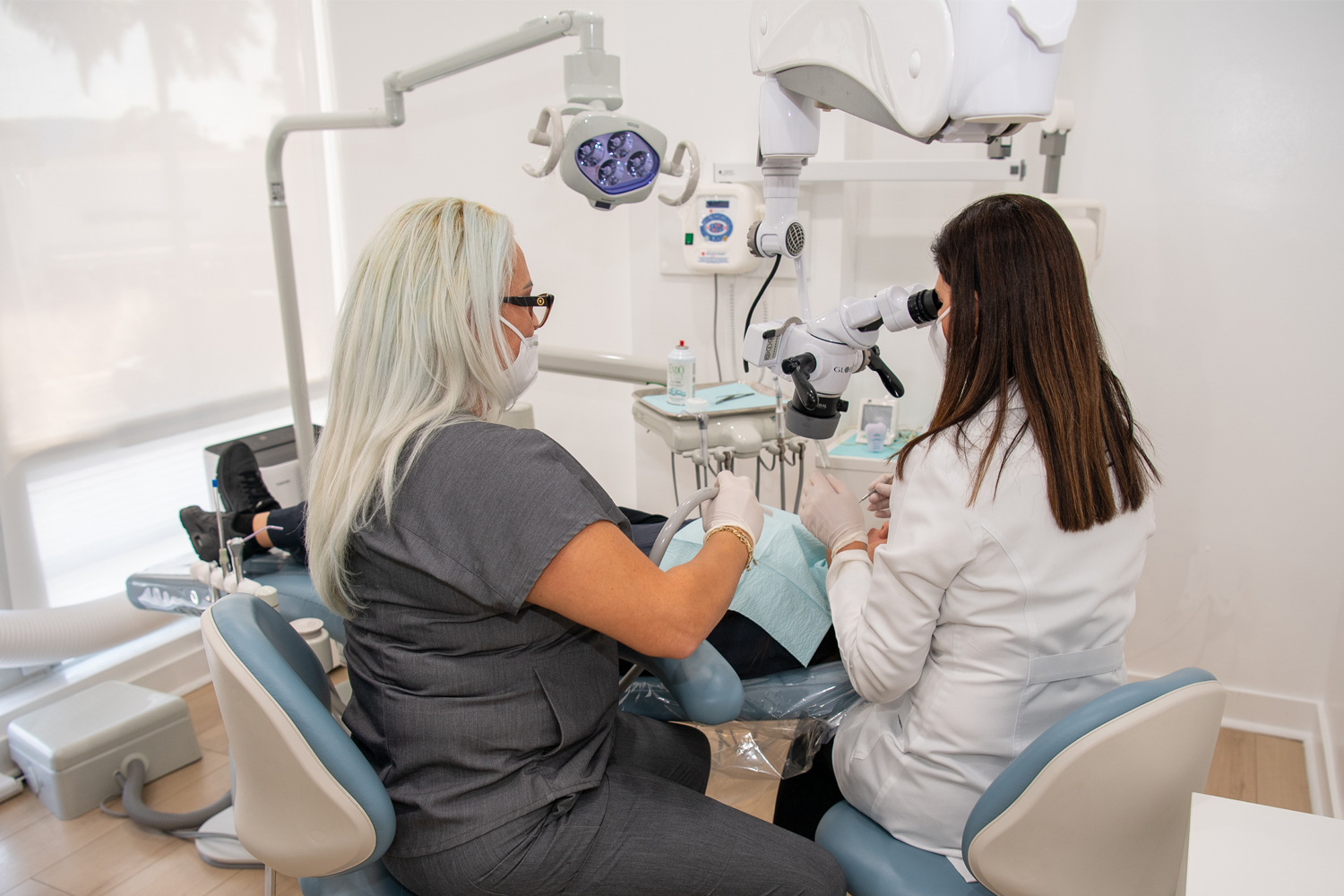
We keep fluid communication with the dentists who refer their patients to us, making a team of joint assistance so that the patient is treated efficiently. After the endodontic treatment, the dentist is provided with a detailed report of all the procedures and their results so that they can continue with the dental restoration.
A canal treatment is the last resort before extracting a tooth to keep those teeth whose nerves have been affected. We are specialists in Endodontics, and we count with the best professionals and the latest technologies to assist you. So whether you are a patient or a dentist, Advanced Endodontic Group is the solution you are looking for..