
Signs You May Need a Root Canal
Not sure if your tooth pain means you need a root canal? Understanding the warning signs can help you seek treatment early — before the problem worsens. If you are experiencing any of the symptoms below, an evaluation by an endodontist can determine the cause and the most appropriate treatment.
Common Symptoms That May Indicate You Need a Root Canal
Persistent toothache — Pain that lingers, throbs, or wakes you up at night is one of the most common signs that the pulp inside your tooth may be infected or inflamed. The pain may be constant or come in waves, and it may radiate to your jaw, ear, or temple.
Prolonged sensitivity to hot or cold — If a tooth remains sensitive to temperature long after the hot or cold stimulus has been removed (more than 30 seconds), this may indicate nerve damage or infection inside the tooth.
Swelling in the gums — Swelling, tenderness, or a small bump (often called a "gum boil" or fistula) near a specific tooth can indicate an abscess — a pocket of infection at the tip of the tooth's root.
Darkening or discoloration of the tooth — A tooth that has become noticeably darker than its neighbors may have sustained damage to the nerve and blood supply inside.
Pain when biting or chewing — Discomfort when you put pressure on a specific tooth can indicate damage to the pulp or a crack that has reached the nerve.
A cracked or chipped tooth — Physical damage to a tooth can expose the pulp to bacteria, leading to infection. See our tooth fissures page for more information.
Sometimes There Are No Symptoms
In some cases, a tooth may need a root canal even when there is no pain. An infection can develop silently, detected only through dental X-rays or a clinical examination. This is one reason regular dental check-ups are important — and why, if your dentist identifies a concern on imaging and recommends you see an endodontist, it is important to follow through even if you are not currently in pain.
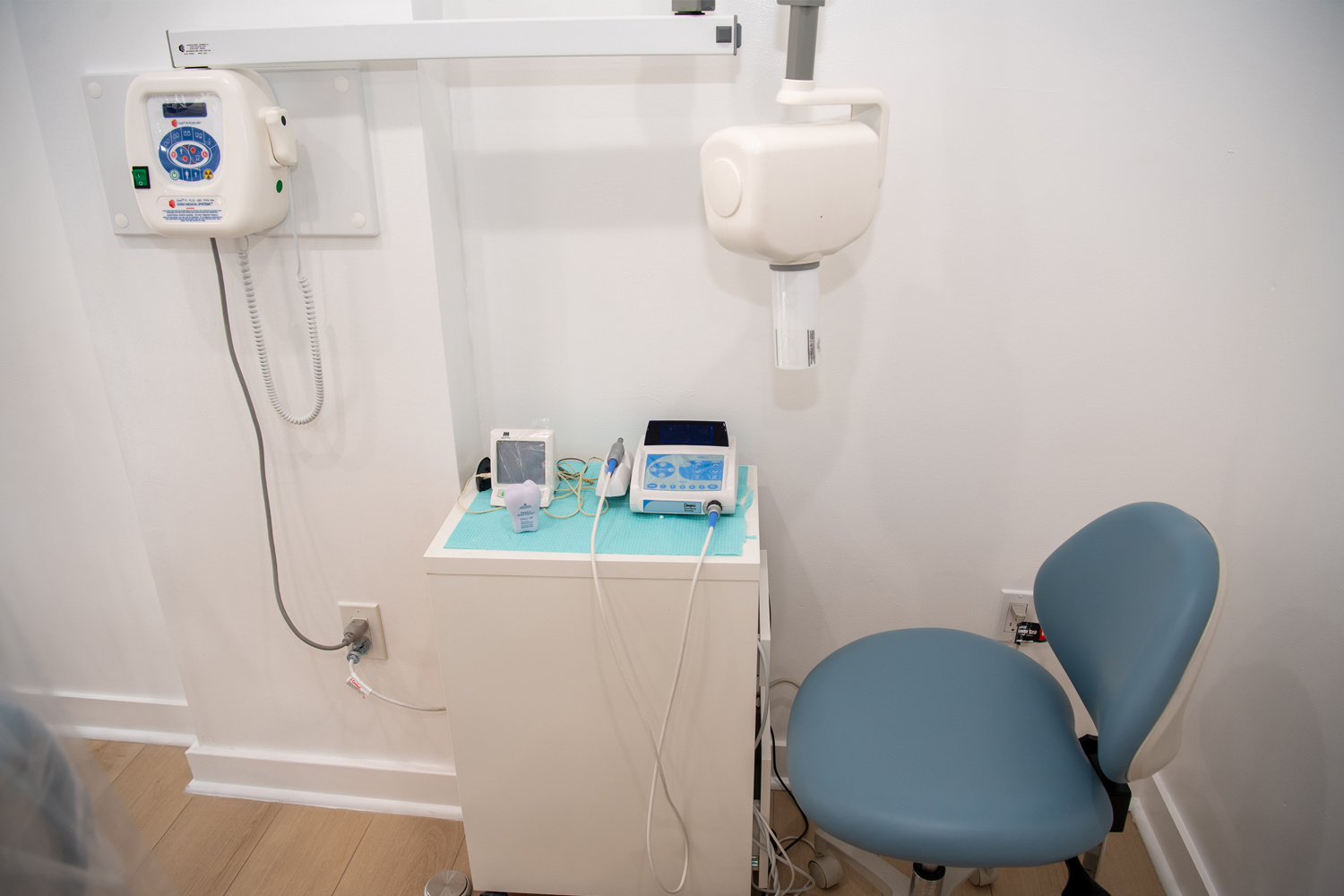
At Advanced Endodontic Group, we use 3D cone-beam imaging (CBCT) to evaluate the tooth and surrounding structures in three dimensions. This advanced imaging can reveal infections, cracks, and anatomical issues that standard two-dimensional X-rays may miss, ensuring an accurate diagnosis.
What to Do If You Notice These Symptoms
If you are experiencing any of the symptoms described above, do not wait for the pain to resolve on its own. Pain that temporarily goes away does not necessarily mean the problem is gone — in some cases, it may mean the nerve has died while the infection continues to spread.
Contact Advanced Endodontic Group to schedule an evaluation. We offer emergency appointments for patients in acute pain and flexible scheduling for consultations. The sooner the problem is diagnosed, the better the chances of saving your tooth with a straightforward root canal treatment.
Frequently Asked Questions
-
Tooth pain may temporarily subside if the nerve inside the tooth dies, but this does not mean the infection is gone. An untreated infection will continue to spread and can lead to abscess, bone loss, or more serious complications. Always seek professional evaluation.
-
Pain that may indicate the need for a root canal often presents as a deep, throbbing ache that may be constant or intermittent. It may worsen with hot or cold foods, radiate to the jaw or ear, or intensify when lying down. Any persistent or worsening tooth pain warrants evaluation.
-
Yes. Some infections develop without noticeable symptoms and are only discovered through dental X-rays or clinical examination. This is why regular dental check-ups are important for catching problems early.
-
As soon as possible. If you have severe pain, swelling, or fever, seek care the same day — these may indicate an active infection. Call our office for an emergency appointment. For milder symptoms, schedule an evaluation within a few days.
-
Not necessarily. Brief sensitivity to cold that resolves quickly is often not a sign of a root canal problem. However, if the sensitivity lingers for more than 30 seconds after the cold stimulus is removed, or if it is accompanied by other symptoms, you should have the tooth evaluated by an endodontist.
Get Your Tooth Evaluated
Our endodontic specialists are here to help. Schedule your consultation at either of our South Florida locations.
Schedule Your Appointment





Your best option
We keep fluid communication with the dentists who refer their patients to us, making a team of joint assistance so that the patient is treated efficiently. After the endodontic treatment, the dentist is provided with a detailed report of all the procedures and their results so that they can continue with the dental restoration.
A canal treatment is the last resort before extracting a tooth to keep those teeth whose nerves have been affected. We are specialists in Endodontics, and we count with the best professionals and the latest technologies to assist you. So whether you are a patient or a dentist, Advanced Endodontic Group is the solution you are looking for..