


Treatments
At Advanced Endodontic Group, we adapt each of our treatments to patients' needs.
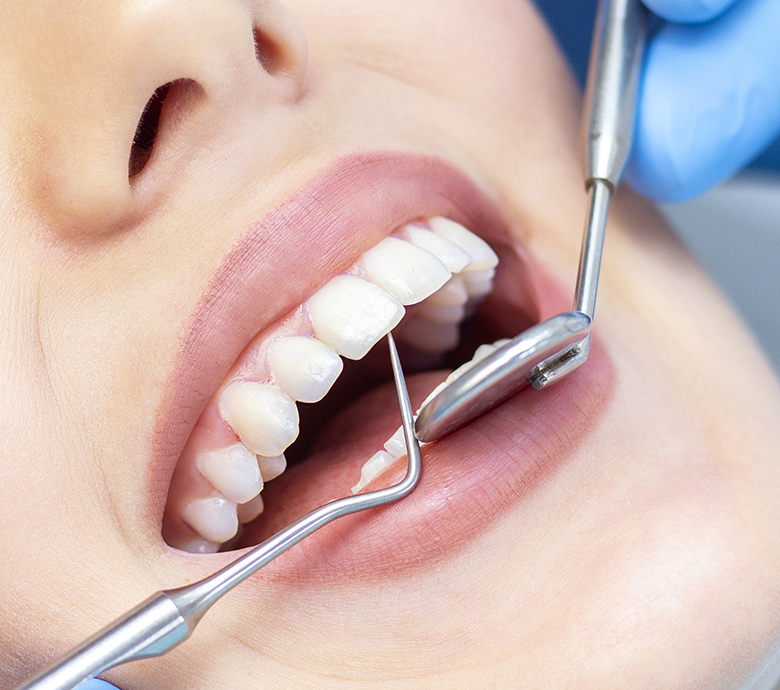







Expert Endodontic Treatments at Our Miami Clinic
Expert Endodontic Treatment Will Help You to Restore Your Smile Today
You deserve kind treatment from professionals who value your comfort and long-term oral health when tooth pain hits or a dental injury happens. Advanced Endodontic Group offers reasonably priced endodontic therapy in Miami, meant to precisely and carefully save your natural teeth and ease pain.
Led by Dr. Ingrid Epelman-Dorra, our knowledgeable staff provides a whole spectrum of services from root canals and endodontic retreatments to pediatric treatments and trauma care. To guarantee correct diagnosis and successful therapies, we use modern technologies, including 3D imaging and surgical microscopes. Our dedication to quality has helped us to be known as the best endodontic clinic in South Florida.
Quality treatment should be within reach, we think. Our adaptable payment plans cover significant credit cards, CareCredit, PayPal, and even cryptocurrencies. Our helpful administrative team will guide you through financial arrangements and insurance coverage, so guaranteeing a hassle-free experience.
Our experts are here to help you whether your situation calls for a second opinion, ongoing discomfort, or a broken tooth. Visit our Miami Lakes or Bay Harbour Islands sites to receive first-rate Endodontic treatment in Miami.
Endodontic Surgery FAQs
What you should know about apicoectomy and endodontic microsurgery at our Miami Lakes & Bay Harbor offices
-
Endodontic surgery, also known as apicoectomy or root-end surgery, is a minor surgical procedure performed when a standard root canal treatment alone isn't enough to save an infected or problematic tooth. It involves accessing the root tip through the gum, removing infected tissue, and sealing the area to prevent future infection.
-
Endodontic surgery is typically recommended when:
- A previous root canal has not completely healed the tooth
- Infection or inflammation continues around the root
- Hidden or complex canals cannot be treated non-surgically
- There is a blockage, calcification, or structural issue inside the root
- A fracture or anatomical factor prevents complete cleaning with a standard root canal
-
An apicoectomy is the most common form of endodontic microsurgery. It involves removing the very tip of the tooth's root (the apex) along with any infected or inflamed tissue surrounding it.
After the infected tissue is removed, a small biocompatible material called MTA (mineral trioxide aggregate) is placed to seal the end of the root. MTA promotes healing by encouraging regeneration of cementum and supporting the natural repair of surrounding bone and periodontal tissues.
The gum tissue is then carefully sutured to allow proper healing.
-
A root canal treatment removes infected pulp from inside the tooth by accessing it through the crown. The canals are cleaned, disinfected, and sealed to eliminate infection and preserve the natural tooth.
Endodontic surgery, such as an apicoectomy, treats infection from a different approach. Instead of accessing the tooth from the top, the endodontist reaches the root tip through the gum tissue. This procedure is recommended when the infection cannot be effectively treated from inside the tooth or when healing has not occurred after a previous root canal.
Both procedures are designed to eliminate infection and save your natural tooth.
-
Endodontic surgery is performed under local anesthesia, so you should not feel pain during the procedure. Mild discomfort, swelling, or tenderness afterward is normal and can usually be managed with recommended pain relief and aftercare instructions.
-
The length of endodontic surgery varies by case, but apicoectomies and similar procedures typically take about 30–90 minutes per tooth, depending on the complexity and anatomy of the root.
-
After surgery you may experience some swelling and mild discomfort. Your endodontist will give you detailed post-operative instructions, including pain management, oral hygiene tips, and any follow-up care. Full bone healing around the treated root site can take several months.
-
Choosing endodontic microsurgery, such as an apicoectomy, allows you to preserve your natural tooth when traditional root canal treatment alone is not enough. Saving your natural tooth helps maintain normal chewing function, proper bite alignment, and overall oral health.
Endodontic microsurgery removes infection at the root tip while sealing the tooth with a biocompatible material, allowing the body to do what it is meant to do — heal. Once the infection is eliminated, the surrounding bone can regenerate and repair naturally over time.
In many cases, preserving the tooth with microsurgery is less invasive and more cost-effective than extraction followed by replacement with a dental implant or bridge.
-
Most patients who need endodontic microsurgery can have it safely. Your endodontist will evaluate your medical and dental history to confirm you are a suitable candidate and discuss any concerns before treatment.
-
While many patients are referred by their general dentist, you can also contact Advanced Endodontic Group directly if you're experiencing symptoms or have been told endodontic surgery may be necessary.
-
Signs that surgery may be recommended include persistent pain after a root canal, swelling, localized tenderness, radiographic evidence of infection at the root tip, or ongoing symptoms despite prior treatment. A thorough exam and imaging will help determine the best course of action.
-
Before endodontic microsurgery, your endodontist will carefully review your medical history, current medications, and any health conditions that may affect the procedure or healing process. Every patient's unique medical history and individual situation are taken into consideration to ensure safe and effective treatment.
You will also have the opportunity to ask questions and discuss any concerns prior to the procedure. In some cases, specific pre-operative instructions may be given, such as guidance regarding medications or eating before your appointment.
Need to discuss whether endodontic surgery is right for you?
Our specialists are ready to help.