
How 3D Imaging and Technology Enhance Root Canal Success

The Benefits of Using a Surgical Microscope in Endodontics
May 6, 2025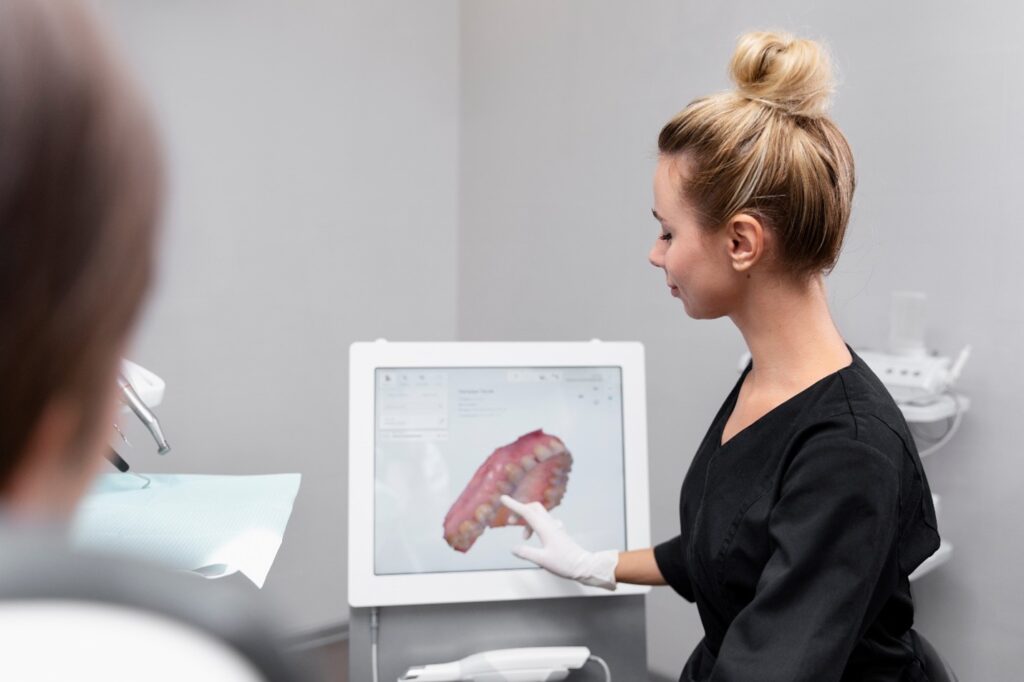
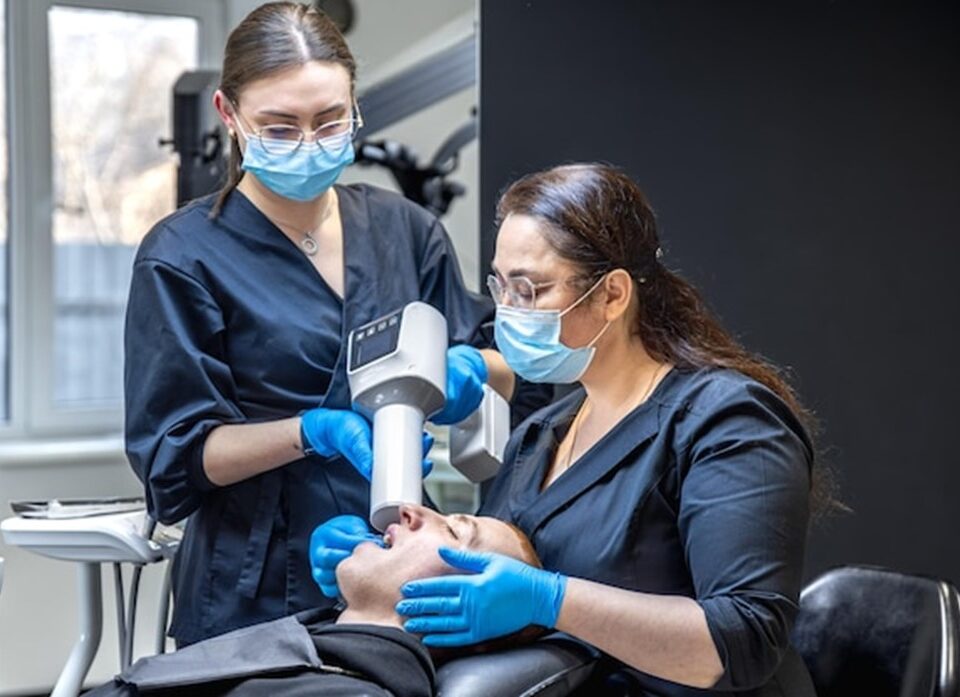
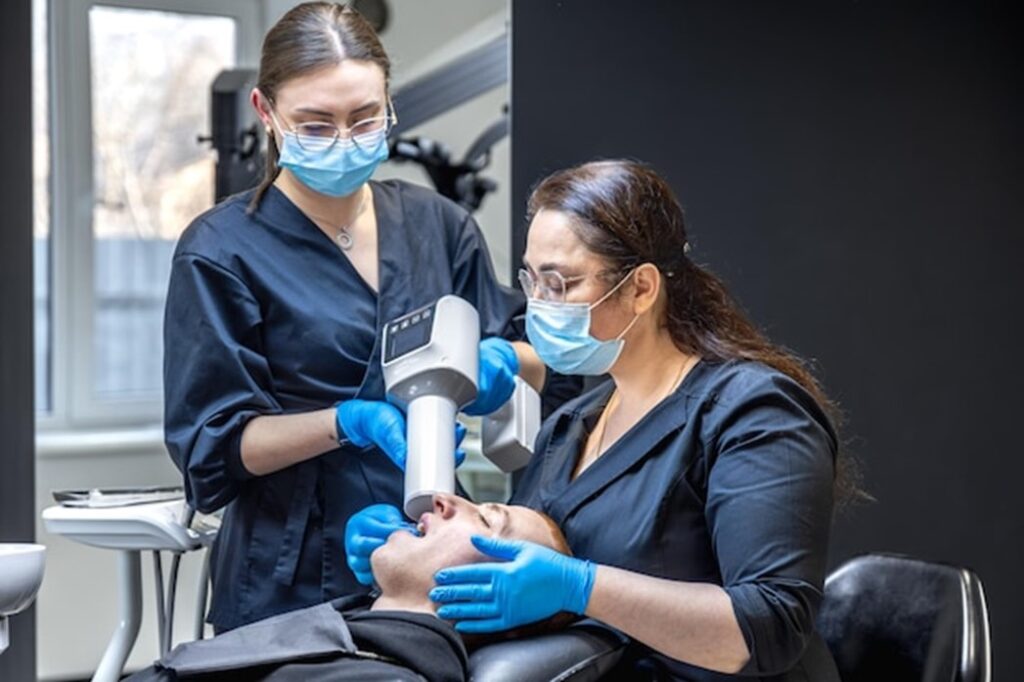
Advancements in endodontic technology have greatly improved patient outcomes in the always-changing world of dentistry, especially in the area of root canal treatments. Among these developments, 3D imaging is revolutionary. Ultimately, this technology enables more precise diagnosis and treatment planning, therefore improving root canal success. Knowing the value of these instruments not only helps dental practitioners but also allows patients to choose wisely about their oral health.
Revolutionizing Diagnosis with 3D Imaging
Dentists’ approach to Root canal success treatments has been transformed by 3D imaging. Often missing the complexity of dental structure, traditional two-dimensional X-rays might cause misdiagnosis or inadequate treatment. 3D imaging allows doctors to see the complex anatomy of the tooth and its surrounding tissues thoroughly. This improved perspective helps to find hidden canals, fractures, or other abnormalities that might interfere with the therapy procedure. Consequently, the diagnosis accuracy of dentists is much improved, hence opening the path for more efficient treatments.
Enhanced Treatment Planning
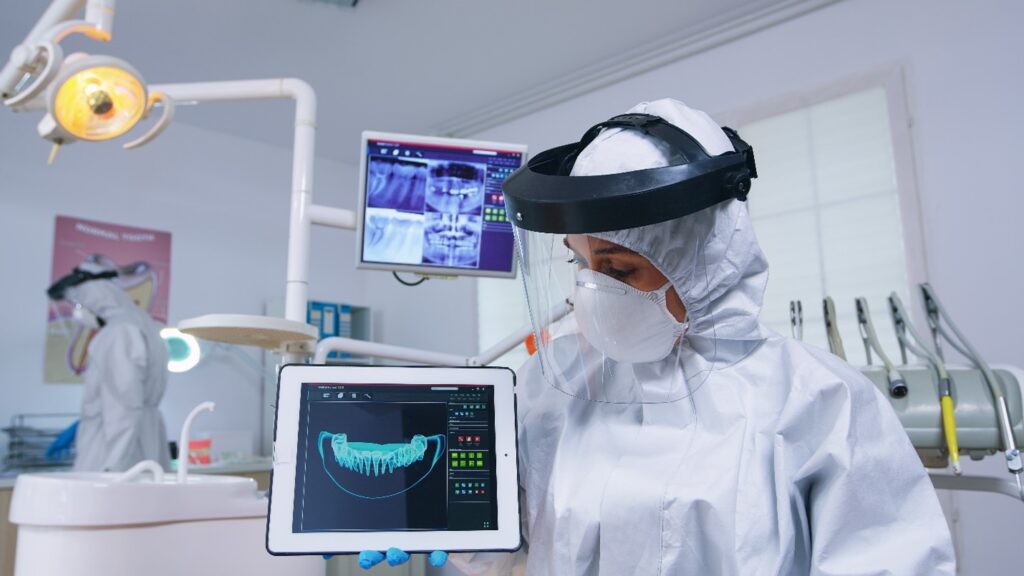
Treatment planning is yet another essential component of endodontic technology. Dentists may carefully design the root canal operation after a thorough 3D picture is acquired. Every stage of the therapy is customised to the particular demands of the patient, so this planning phase enables better evaluation of the state. The general condition of the tooth, the presence of calcifications, and the curvature of the canals all help to assess more closely. Eventually, better root canal success rates result from this careful preparation.
Improving Patient Communication
Including 3D imaging in clinical practice improves communication between dentists and their patients as well. Visual tools assist professionals in describing the course of therapy more effectively. Patients are usually more at ease when they can see their oral problems and grasp the suggested remedies. This openness builds confidence and motivates patients to enquire, hence improving the cooperation between dentist and patient. In the end, good communication is very essential for endodontic treatment success.
Ongoing Monitoring and Follow-Up Care
3D imaging’s advantages go beyond treatment planning and diagnosis. It also has a major impact on follow-up treatment. Endodontic technology can track the recovery after a root canal operation. Dentists may evaluate how well the therapy works by looking at pre- and post-treatment photos; if problems develop, they can then modify the treatment. Long-term success and patient happiness depend on this continuous assessment.
Key Advantages of 3D Imaging
To emphasize the benefits of 3D imaging and endodontic technology, keep the following in mind:
- Enhanced diagnostic accuracy allows for better identification of complex root canal systems.
- Improved treatment planning leads to customized approaches tailored to individual patient needs.
- Increased patient understanding and comfort through clear visual explanations of procedures.
- Ongoing monitoring of treatment success ensures timely interventions if issues arise.
The Bright Future of Dental Care

The scene of root canal procedures is improving as dental clinics utilize these technology developments more and more. Patients should anticipate less pain, faster treatment periods, and better success rates. Including 3D imaging in endodontic procedures improves the general patient experience as well as the quality of treatment, hence reducing the anxiety of dental appointments.
The Impact on Patient Outcomes
3D imaging and endodontic technologies have a significant influence on patient outcomes. Patients undergoing treatments with exact imaging and customized treatment regimens report less anxiety and pain. Furthermore, the probability of good results is greatly raised, which would boost the degree of patient happiness. The general quality of dental care keeps improving as more practices use this technology, so guaranteeing that patients get efficient and kind treatment for their endodontic requirements.
Conclusion
Particularly in improving root canal success, the combination of 3D imaging and endodontic technology has changed the domain of dentistry. The future of dental care is obviously bright as we see developments in these fields. Patients who choose a forward-thinking clinic such as Advanced Endodontic Group will benefit from the newest developments, guaranteeing they get the best quality of treatment possible.