
Root Canal Second Opinion in Miami: Do You Really Need One?
Root canal second opinion in Miami: before you accept a root canal, an extraction, or an implant, have an endodontist confirm the diagnosis. Advanced Endodontic Group offers second-opinion evaluations with cold testing, a surgical microscope, and CBCT imaging at two Miami offices, and sends a written report to you and your dentist, whether or not treatment is needed.
Why Get a Root Canal Second Opinion From an Endodontist?
Root canal diagnosis is the core of an endodontist's training, two to three years beyond dental school spent on pulp testing, imaging, and the inside of the tooth. According to the American Association of Endodontists, endodontists performed 44.4% of endodontic procedures in 2024, up from 34.6% in 2020. Our practice is limited to endodontics.
"Endodontists perform 25 root canal treatments each week; general dentists perform fewer than 2."American Association of Endodontists press kit
We have no incentive to sell a procedure you do not need, and no incentive to extract a tooth that can be saved. We do not place implants. When a tooth is not worth saving, we say so. Our Google reviews include a patient we advised to stop a root canal because the tooth was too damaged to justify finishing it.
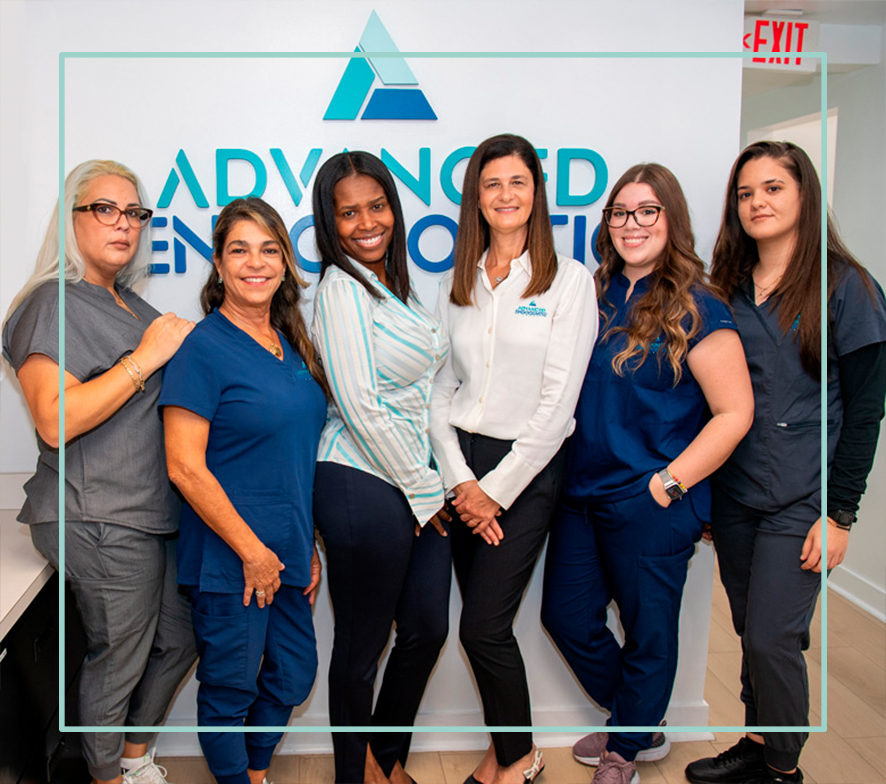
Dr. Ingrid Epelman-Dorra has over 25 years of experience, and general dentists across Miami-Dade send us their uncertain cases. The AAE reports dentists refer about half of their root canal patients to an endodontist, so a specialist opinion is the norm, not a challenge to your dentist.
When Should You Get a Second Opinion Before a Root Canal?
Get a second opinion when the recommendation surprises you or the stakes are high: a root canal on a tooth with no symptoms, several root canals proposed at once, an extraction and implant suggested for a tooth you would rather keep, a treatment plan from an office you have never used, or a previously treated tooth that still hurts.
- A root canal proposed for a tooth with no symptoms
- Several root canals proposed in one treatment plan
- Extraction and an implant proposed without discussing saving the tooth
- A diagnosis made from one X-ray with no pulp testing
- A prior root canal that still hurts months later
- Pain your dentist cannot pin to a specific tooth
- A front tooth where appearance and bone preservation matter
A second opinion is also worth it when the first opinion is right. Confirming that a root canal is needed, and that the tooth is a good candidate, lets you proceed without doubt. Either way, you leave with a written diagnosis you can take back to your dentist. Our signs you need a root canal page covers the symptoms that usually justify treatment.
What Happens at a Second Opinion Appointment?
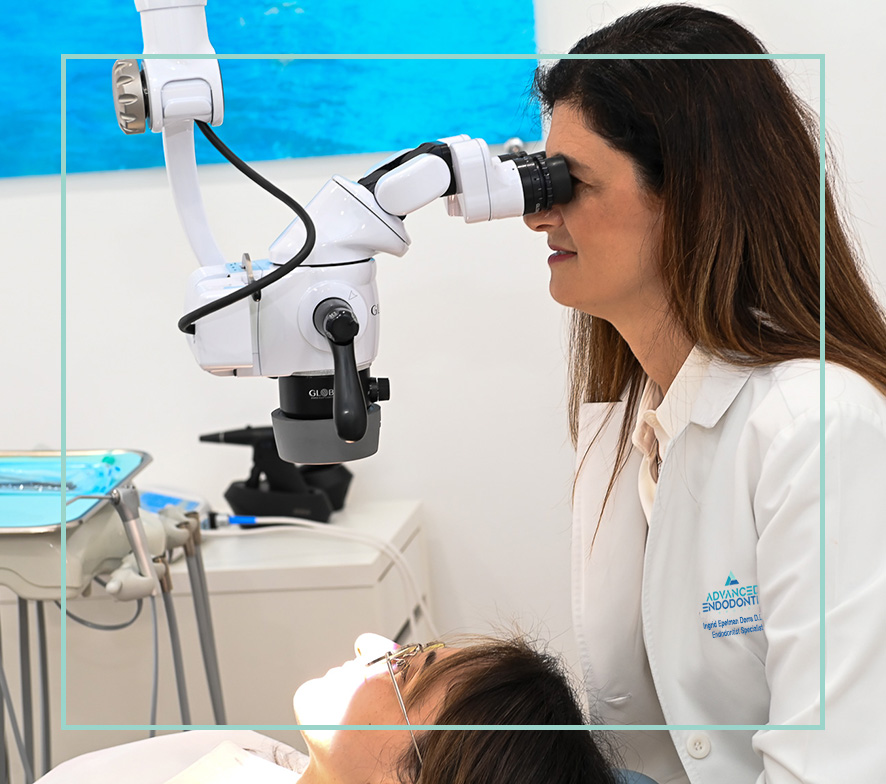
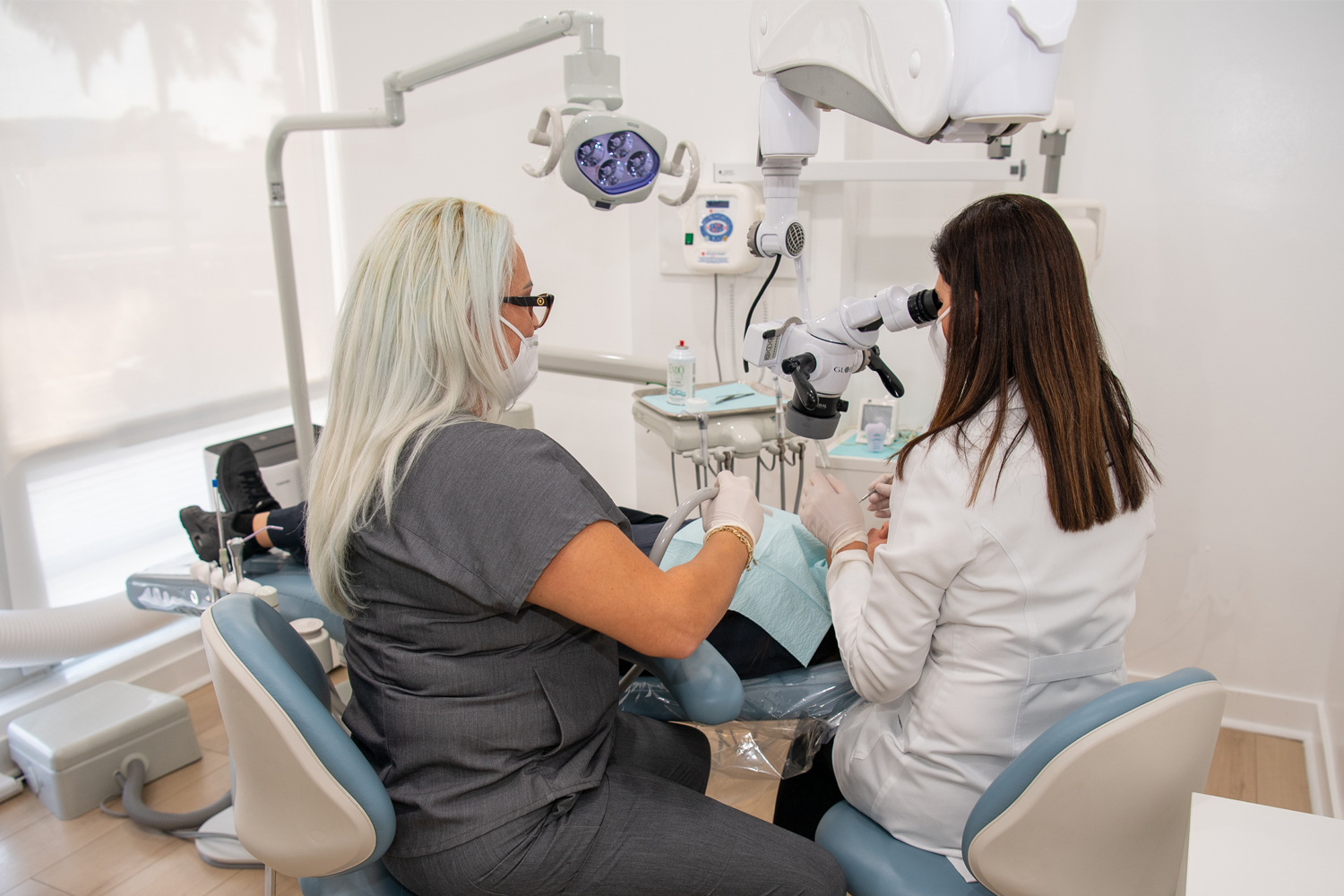
A second-opinion visit takes about 45 minutes . We review your dentist's X-rays and notes, ask about your symptoms, and test the suspect tooth and its neighbors with cold, an electric pulp tester, tapping, and biting. We examine the tooth under the surgical microscope and take a CBCT scan when needed. You get our findings the same day, in writing.
What to bring:
- Recent X-rays, or a request for your dentist to send them
- The written treatment plan and any fee estimate
- A list of current medications
- Your dental insurance card
- Notes on when the pain happens and what triggers it
The possible outcomes are: no treatment needed; monitor and retest in a few weeks; a filling or crown by your dentist; vital pulp therapy; root canal therapy; retreatment or apicoectomy for a previously treated tooth; or extraction. If treatment is needed and you want it done here, we can often do it the same visit. If not, the report goes back to your dentist. See our first visit page and, for dentists, how to refer a patient.
Do You Always Need a Root Canal When a Dentist Recommends One?
No. A root canal is needed when the pulp is irreversibly inflamed or dead. A deep cavity near the pulp, a sensitive tooth after a new filling, or a dark spot on an X-ray does not mean the nerve is beyond saving. Pulp testing decides. Some teeth referred to us for root canals need a filling, a crown, or nothing.
The distinction between reversible and irreversible pulpitis is the whole question, and it is answered with a timed cold test, not a glance at an X-ray. Vital pulp therapy is one middle path. For mature teeth with irreversible pulpitis, the AAE's 2021 position statement supports a full pulpotomy as an alternative to root canal therapy in selected cases, and a 2024 meta-analysis in PLOS ONE reported 82.4% success for that diagnosis. Not every tooth qualifies, but a second opinion is where the question gets asked.
Should You Save the Tooth or Get an Implant?
Saving a restorable natural tooth is usually the stronger long-term choice. A 2023 private-practice study found 97% of root canal treated teeth still in place at ten years. A 2025 meta-analysis reported 89% success for endodontic microsurgery versus 78% for single implants under matching criteria. Implants are the right answer for fractured roots and teeth with too little structure left.
| Factor | Root canal (save the tooth) | Extraction and implant |
|---|---|---|
| Keeps the natural tooth and ligament | Yes | No |
| Number of visits | 1 to 2 | 3 to 6 over several months |
| Typical timeline | Same day to two weeks | 3 to 9 months |
| Typical Miami cost | $700 to $1,800 plus crown | $3,500 to $6,000 |
| Bone and gum changes | Preserved | Some bone loss after extraction; graft often needed |
| Published outcomes | 97% ten-year survival (2023 study) | 78% pooled success under strict criteria (2025 meta-analysis); survival rates run higher |
Sources: 2023 survival study on PubMed Central and the 2025 meta-analysis on PubMed. An AAE survey in 2025 found 94% of adults say keeping their natural teeth is important, and 71% of people who had a root canal are glad they chose it over extraction. We do not place implants, so our recommendation rests on whether the tooth is restorable. Read more on our root canal versus extraction page.
How Much Does a Root Canal Second Opinion Cost in Miami?
A second-opinion evaluation at Advanced Endodontic Group is billed as a limited exam plus any imaging we take . Many PPO dental plans cover a problem-focused exam and a periapical X-ray; CBCT coverage varies by plan. If you proceed with treatment here, the exam is credited . We verify benefits before your visit.
Bring your dentist's X-rays to avoid paying for repeat imaging. Compared with the cost of an unnecessary root canal or a lost tooth, a second-opinion visit is a small expense. CareCredit financing is available for treatment. See our insurance and payment options page.
Where to Get a Root Canal Second Opinion in Miami
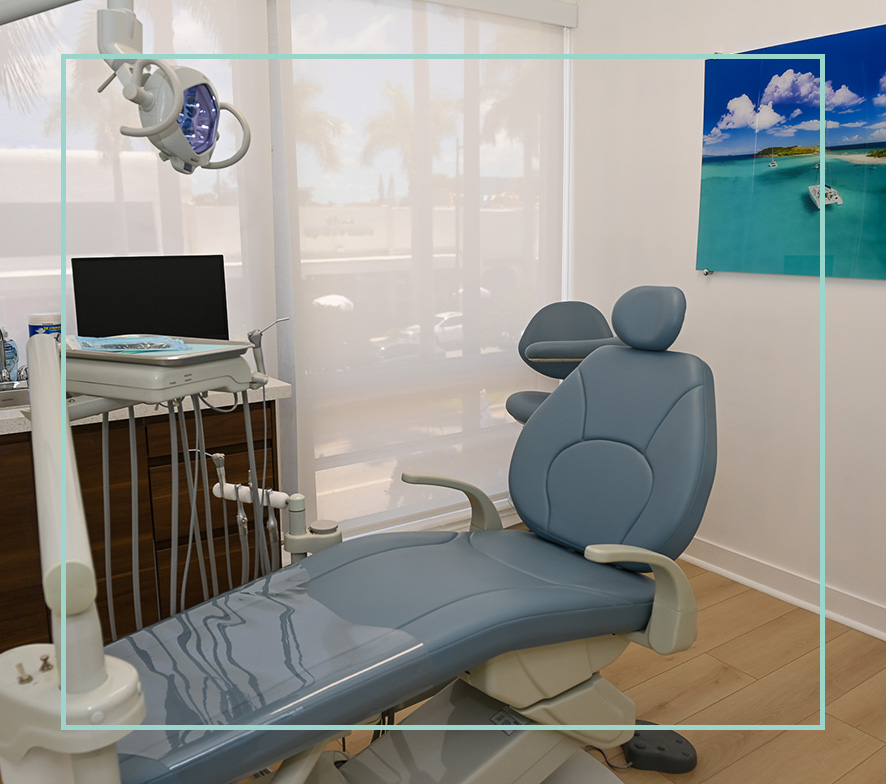
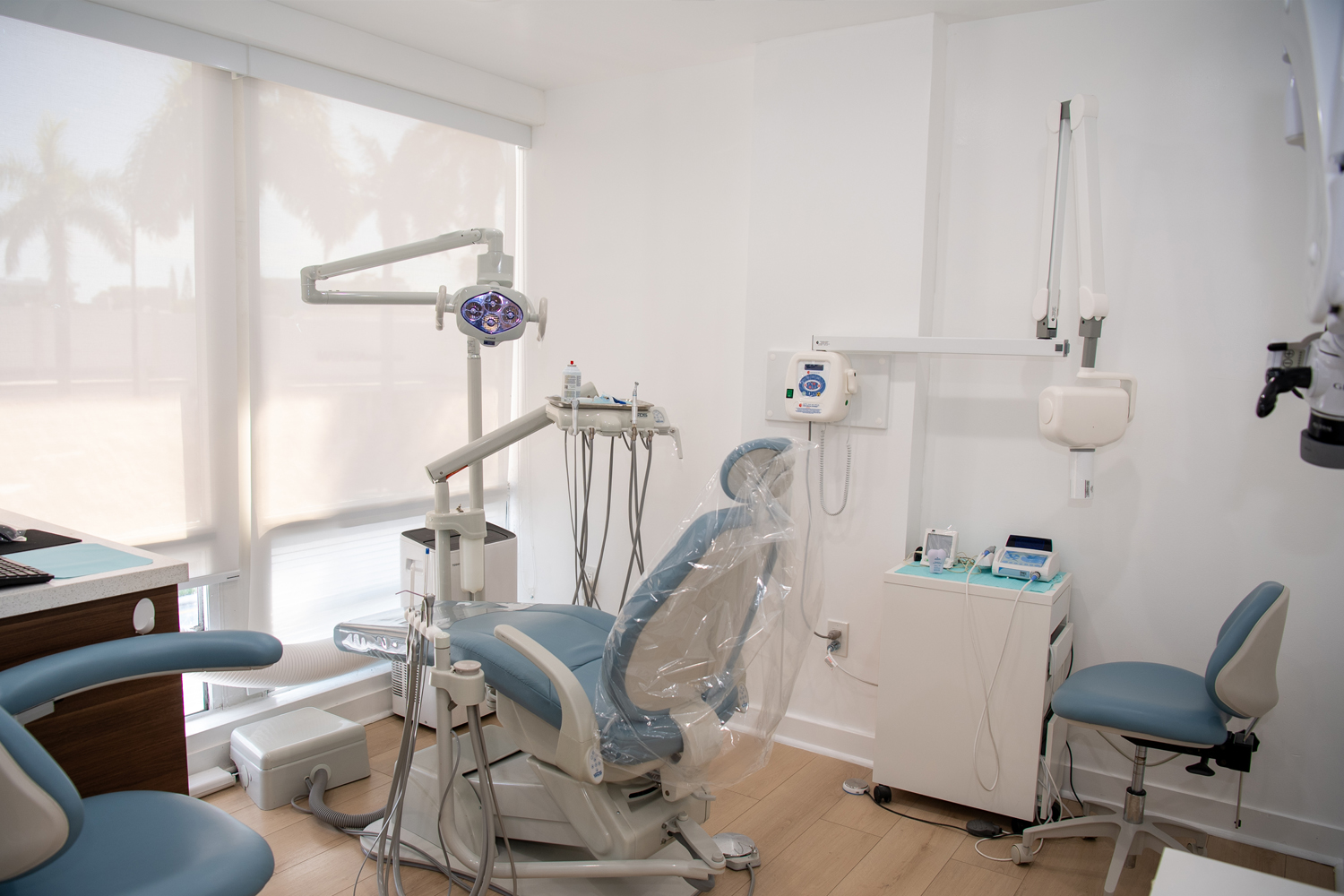
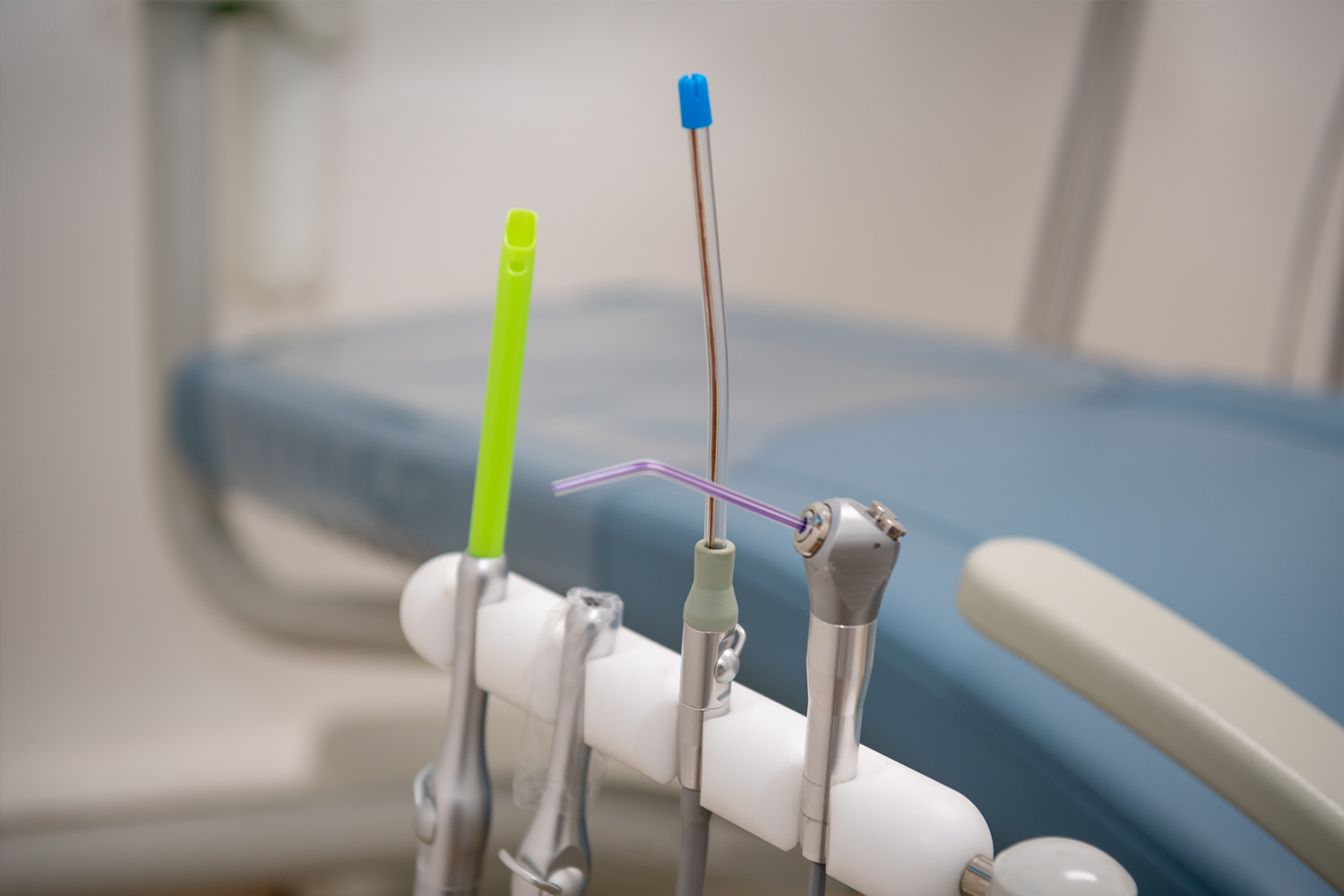
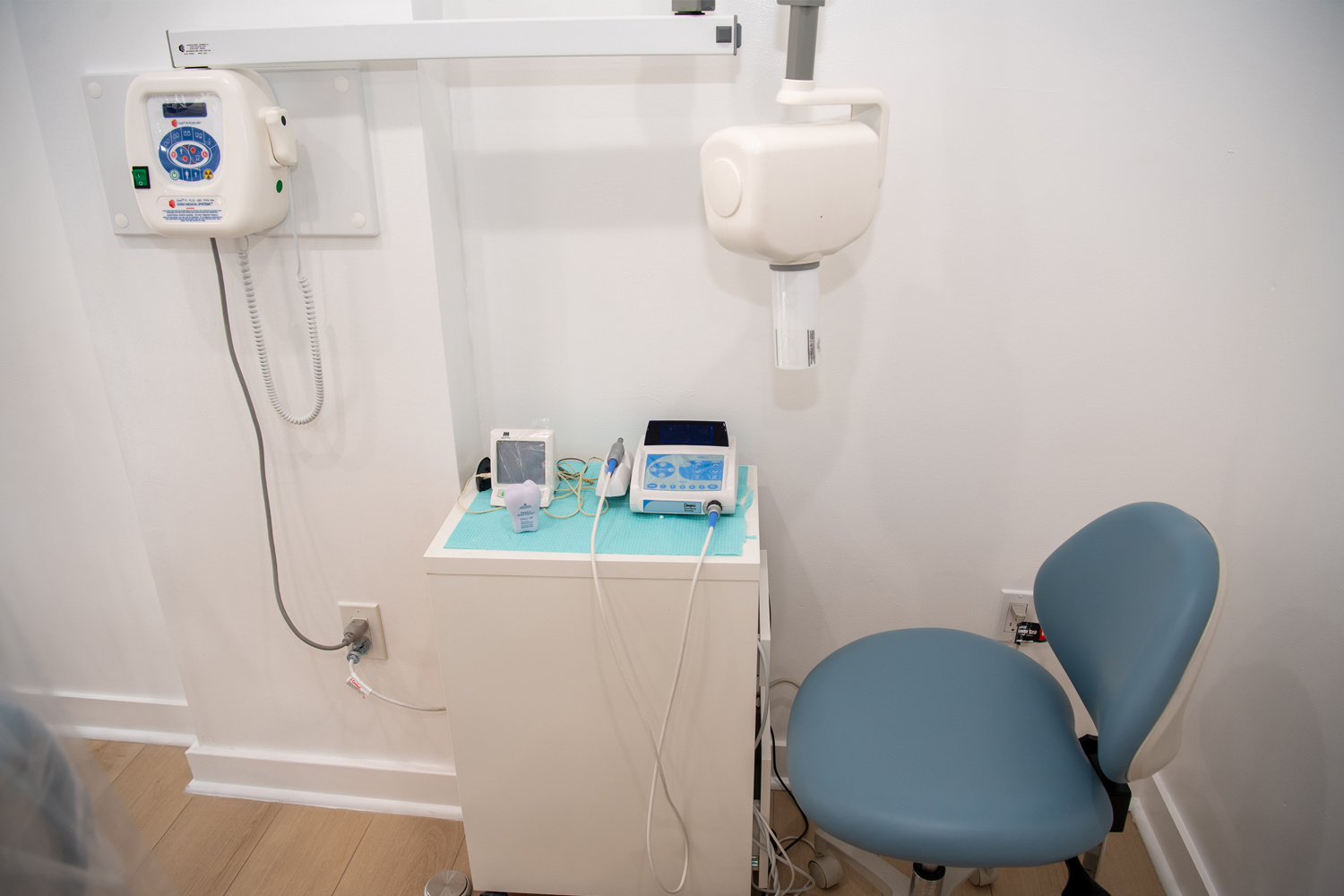
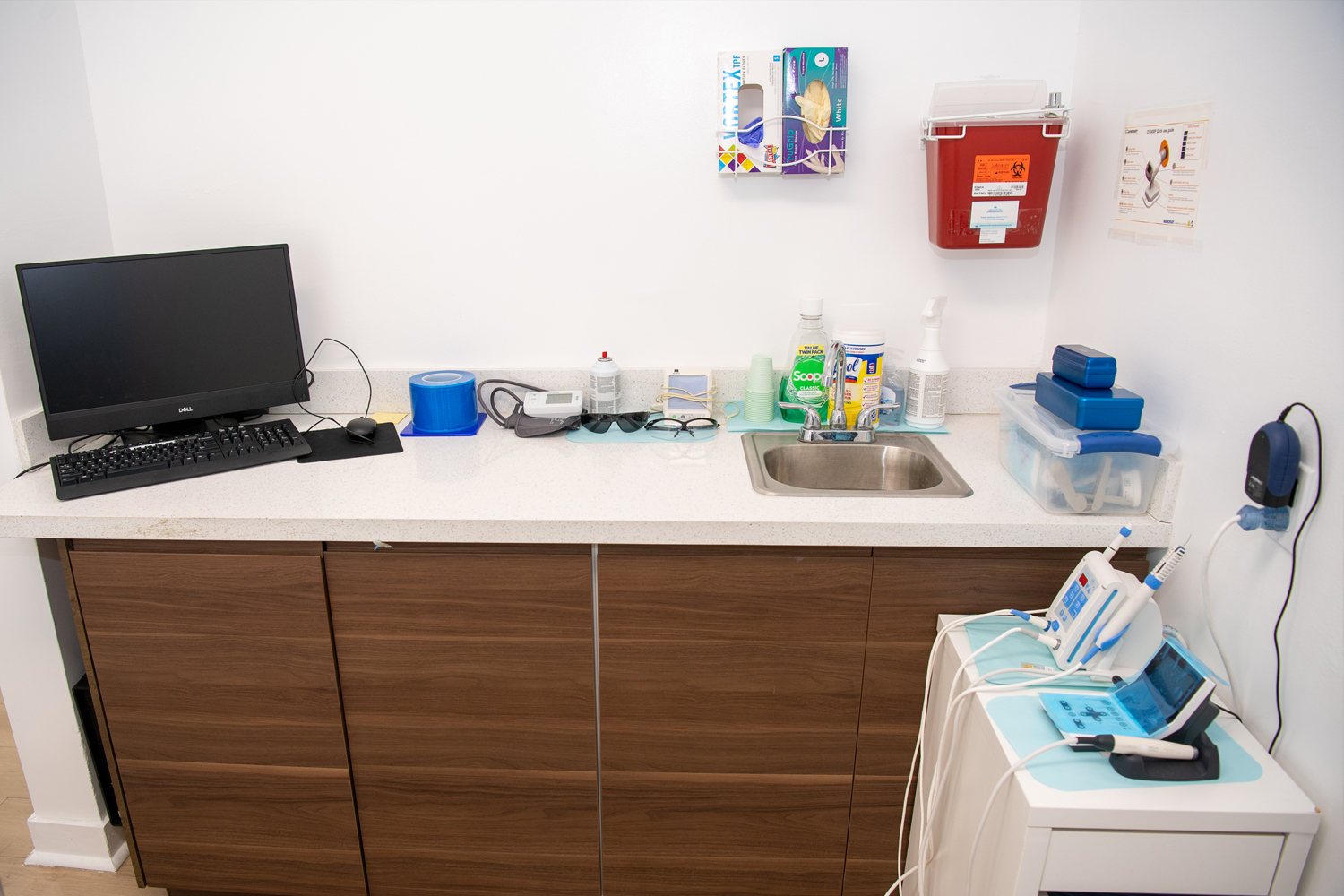
Second-opinion evaluations are available at both offices, each equipped with a Zeiss surgical microscope, CBCT 3D imaging, and electric pulp testing. Bring your X-rays and treatment plan, or ask your dentist to send them. Our team is bilingual in English and Spanish.
Miami Lakes
7975 NW 154th Street, Suite 250
Miami Lakes, FL 33016
Convenient for patients from Hialeah, Doral, Miramar, and Pembroke Pines.
Bay Harbor Islands
1045 Kane Concourse, Suite 204
Bay Harbor Islands, FL 33154
Convenient for patients from Miami Beach, Aventura, Sunny Isles Beach, Surfside, and Coral Gables.
Frequently Asked Questions
-
No. Second opinions are routine in dentistry, and general dentists refer about half of their root canal cases to endodontists anyway, according to the AAE. Most dentists welcome a specialist's confirmation, and we send them a full written report with our findings. You are not choosing sides; you are getting a diagnosis from the person who does this all day.
-
Yes, in most cases. Cold and electric pulp testing tell us whether the nerve is healthy, inflamed, or dead. Percussion and bite tests show whether inflammation has reached the bone. CBCT reveals infection at the root tip that flat X-rays miss. When results are borderline, we recommend retesting in a few weeks rather than guessing.
-
No. You can call either office and book a second-opinion evaluation yourself. If you have a referral slip or X-rays from your dentist, bring them, or ask the office to email them to us. Insurance plans that require a referral for specialists are uncommon in dental PPOs, but we check your plan when you book.
-
Often, yes. If the evaluation confirms a root canal is needed and the schedule allows, we can treat the tooth in the same visit, which matters when you are in pain. Tell the front desk when you book that you may want same-day treatment so the time is reserved. You are never obligated to proceed that day.
-
We explain exactly why, with the test results and images that support our finding, and we put it in writing so you can share it with your dentist. Disagreements usually come down to pulp testing that was not done or a lesion that only shows on CBCT. If the two opinions still conflict, a third from another endodontist is reasonable.
-
Yes. Evaluating previously treated teeth is a large part of what we do. If a root canal still hurts, was done years ago and now shows a shadow on an X-ray, or you were told it failed and needs extraction, we take a CBCT scan and tell you whether retreatment, apicoectomy, or extraction is the right call.
-
Yes, and this is a frequent reason patients call us. A tooth with no symptoms can still have a dead pulp and a growing infection, which does need treatment. It can also have a deep filling and a healthy nerve, which does not. Testing takes minutes and settles the question before anyone drills.
Get a Second Opinion Before You Commit
Bring your X-rays and treatment plan. You leave with a written diagnosis, whatever it shows.
Schedule Your Appointment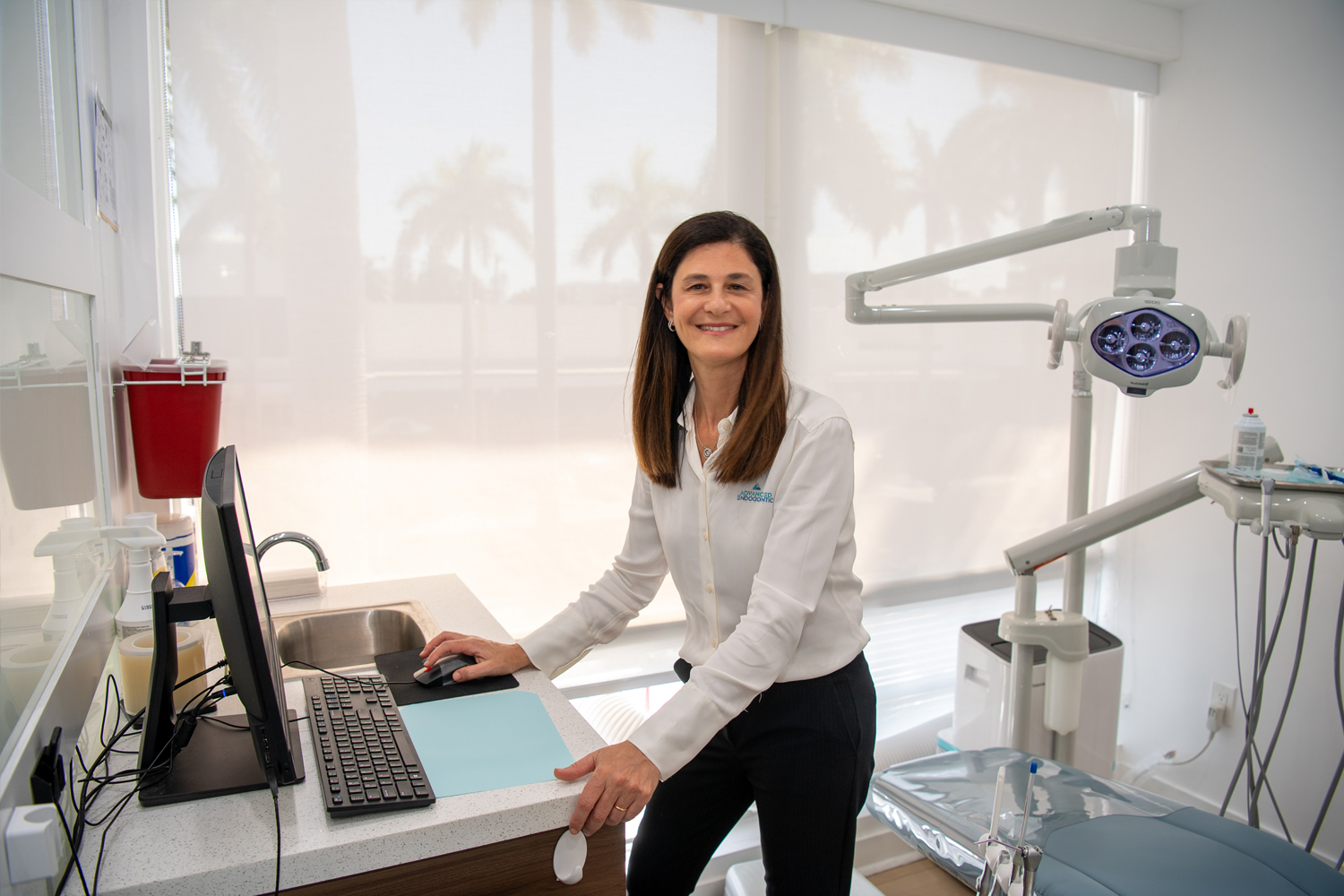

Your best option
We keep fluid communication with the dentists who refer their patients to us, making a team of joint assistance so that the patient is treated efficiently. After the endodontic treatment, the dentist is provided with a detailed report of all the procedures and their results so that they can continue with the dental restoration.
A canal treatment is the last resort before extracting a tooth to keep those teeth whose nerves have been affected. We are specialists in Endodontics, and we count with the best professionals and the latest technologies to assist you. So whether you are a patient or a dentist, Advanced Endodontic Group is the solution you are looking for..